I am reblogging my post from zenkatwrites, my other blogging identity, with changes:
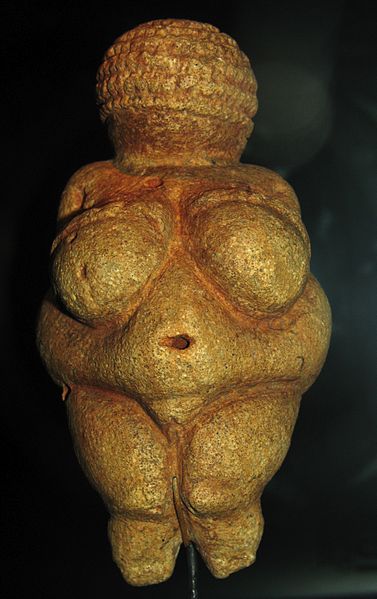 I am entranced by this small figurine, known as the Venus of Willendorf. I began drawing and painting her twenty years ago. I saw her in a museum in London and bought the small reproduction they had. At the time I knew little about her. I like going to museums and being with the pieces, art or antiquities, not reading about them until much later, if at all. Most of the time it is a visual experience for me, and I don’t collect that much from the bits of words written about this or that. I saw her in an exhibit with several other ancient images, some pornographic (or so I have been told, as I drew and painted them.) I was able to just sit with the mystery of why this voluptuous figurine had a bee-hive head, as I saw it. I sketched her in my hotel room at night, and carried her home in my purse.
I wanted to plant a larger statue of her in my garden, as an homage to the bees, wondering in a Tom-Robbinish way of there was a bee-goddess I did not know about, and if the bees would tell me their story if I planted her there. For a short time my small reproduction lay in the bird bath in the middle of the herb garden, and I would watch the bees land on her when they were going for water in the height of summer.
Struggling with my own issues of “fat,” she was a memory of how other eras honored women who were zaftig. I have always fought weight, but at thirty-five was working on being happy with my own body, at a time when my former husband was telling me he was unhappy with my body, despite the response from his penis; penises don’t lie.
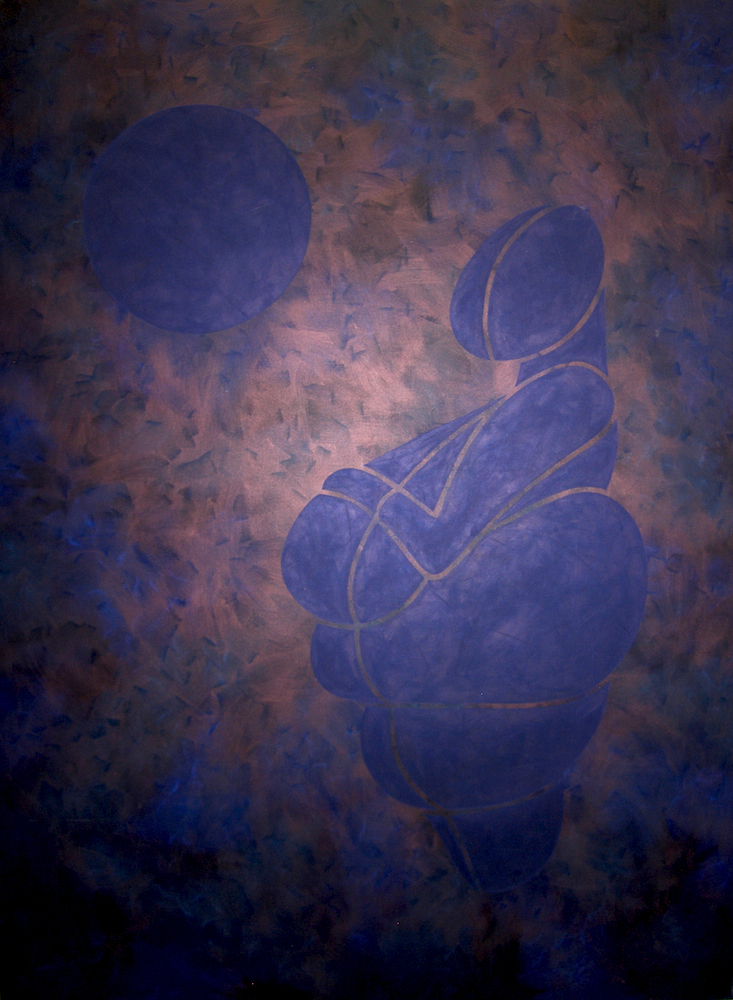 I began drawing and painting her, and soon had a collection of other goddesses with pendulous breasts and large hips and buttocks. Living with her in drawings and smaller painting culminated in the large painting above, which I call Conch Woman. She is dark of night, mysterious, of water and land, a comfort. She waxes and wanes, on her own rhythm. I love her!
I finally read a bit about her discovery, and thought about her covered in red ochre. Blood, fertility, seemed likely, when women held the secret to procreation. She was found on an archeological dig near the city of Krems, Austria, near the rivers Krems and Danube.
I also began collecting pendants, and when I made my jewelry line she was a prominent figure. Sadly, not one of her images had ever sold; I assume that women do not value her fat body shape, as they see it. Some of the pieces are below.


The lovely bronze image of her (left) is my favorite, hung on vintage Italian whitehearts with African bronze “clubs” flanking each side. I bought her first and only bought two, and could never find the vendor again. The earthy autumn colors of unakite, a type of jasper, sets off the Jane Iris version of her top left, a bit tame and petite but lovely nonetheless. I wanted to create a necklace as beautiful as I found her to be! These and others can be found in my shop on zibbet!

I am now agreeing to the Creative Commons Attribution-Non-Commercial 4.0 International License, which you can learn more about by visiting the site, or, visit my web page for a more user-friendly summary on my terms. My images/blog posts can be reposted; please link back to dkatiepowellart.
The image of the ancient goddess is from Wikipedia.




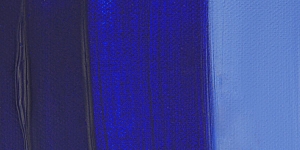
 Ultramarine blue was originally made from lapis lazuli, which contains rivers of pyrite (I grew up calling that “fool’s gold.”) It was finely ground into oil and used by Renaissance artists, especially in their depictions of the Virgin Mary’s gowns. lapis became the catch word associated with the color, and the names in various languages are azure, azur, and azul, to name a few.







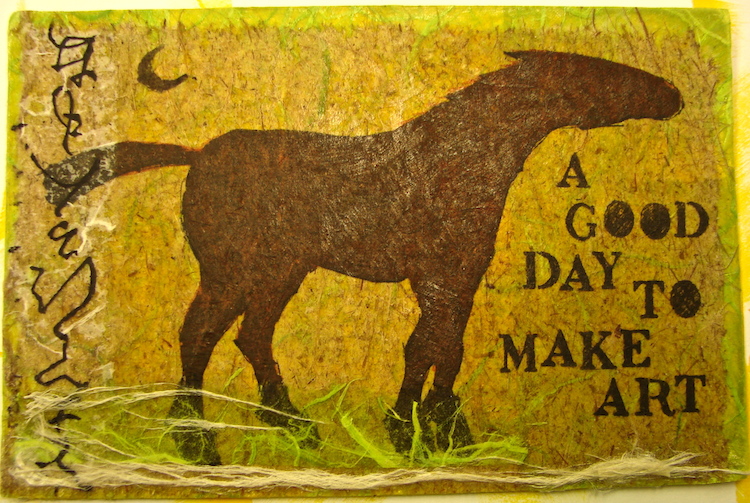


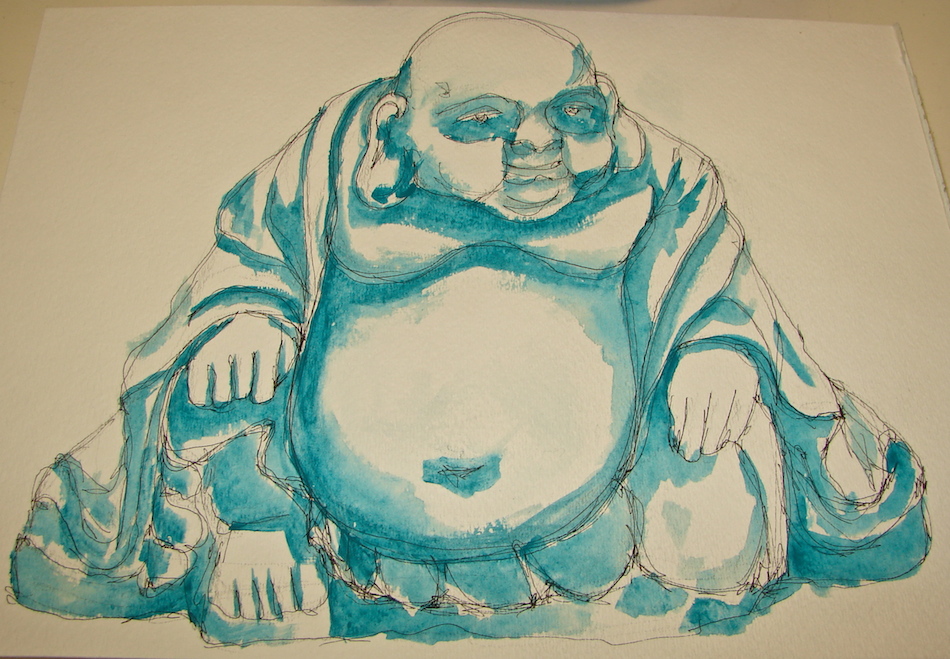

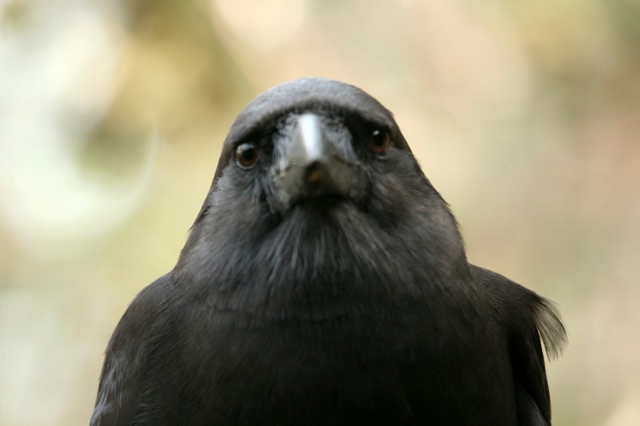
 “SERIOUSLY, you can’t take a break and give me my mid-morning morsel?”
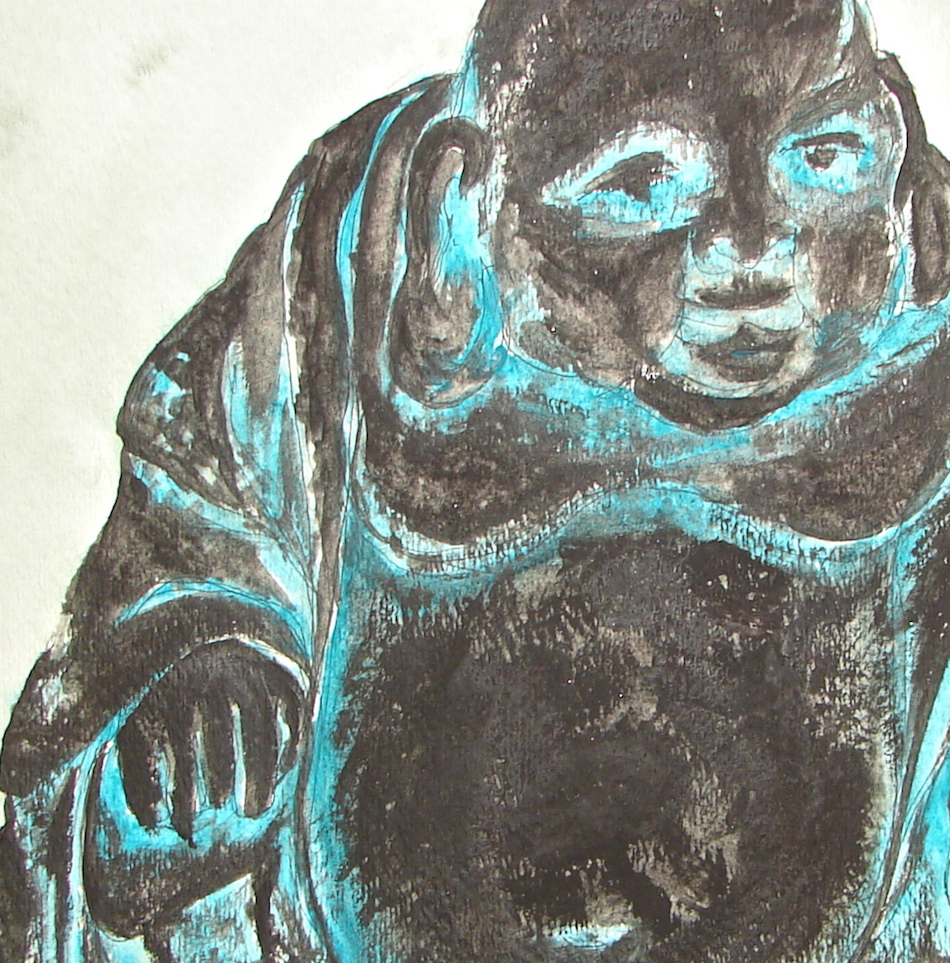
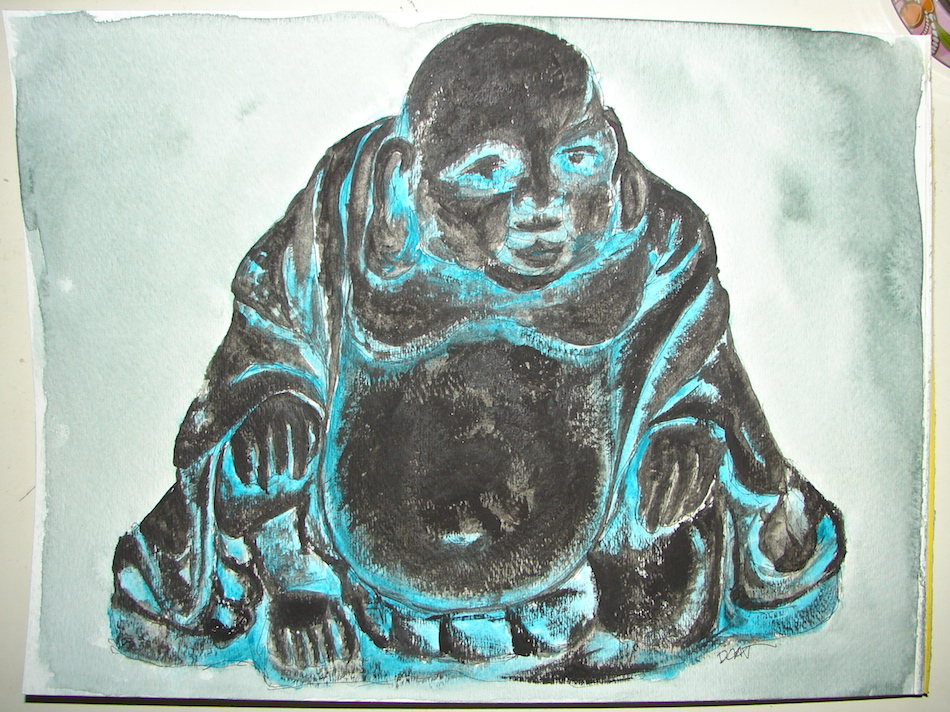

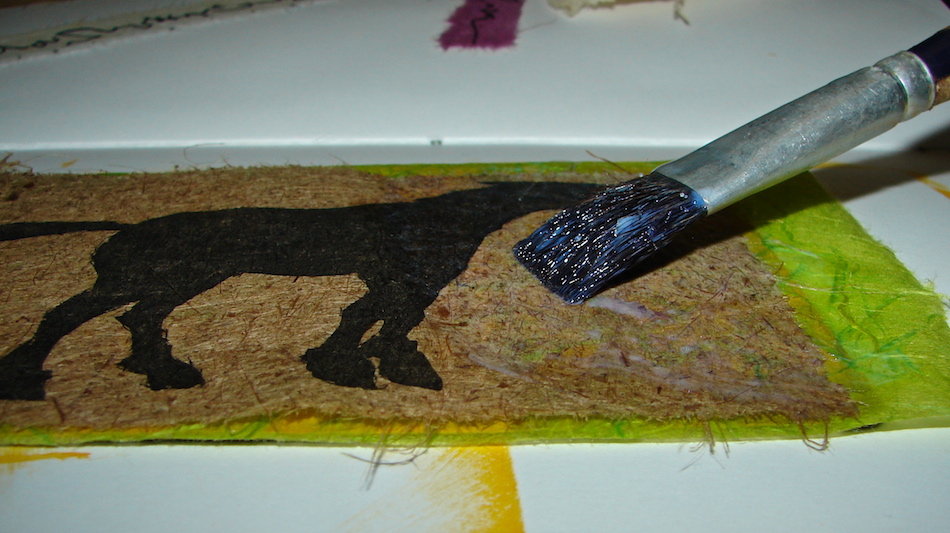
 I first encountered them in Golden Acrylics. They became a staple in glazes and undercoatings and all Tuscany colors, as in one of my horses, above, because I fell head over heels in love with








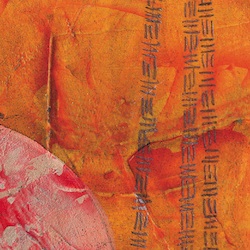 I have couple of favorite line patterns I use in doodling, and sometimes as backgrounds in painting. My all time favorite, and a comfort to draw, is the architectural symbol for ground. I used it above to cover a background in acrylic, and right, as a decorative line in graphite.
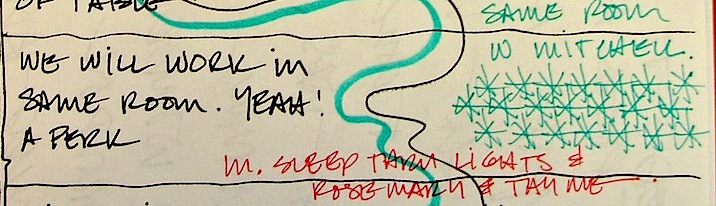


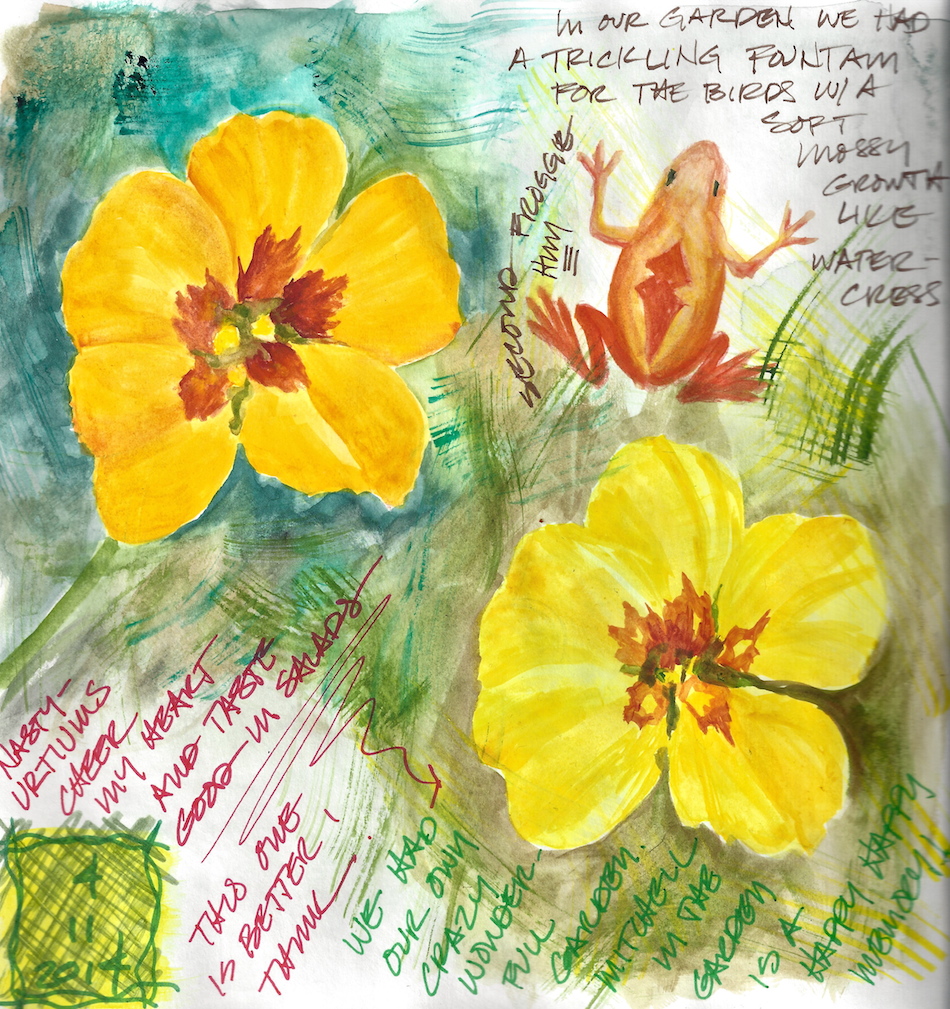


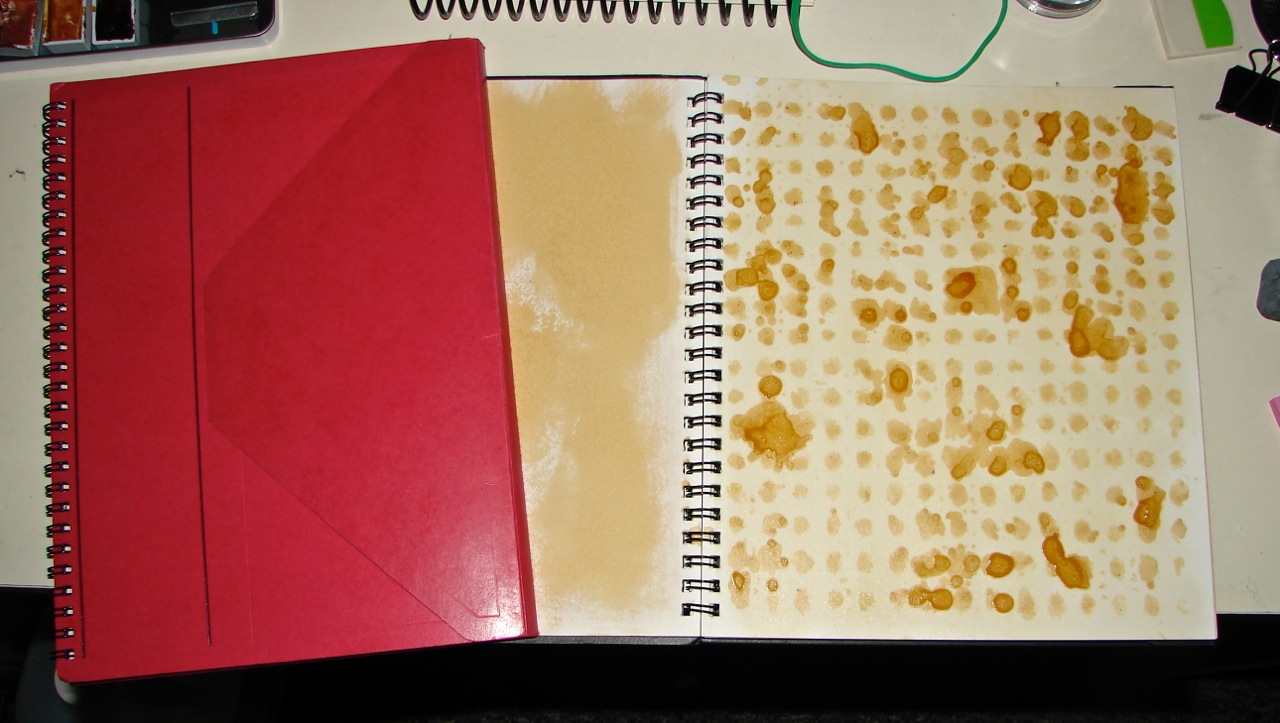


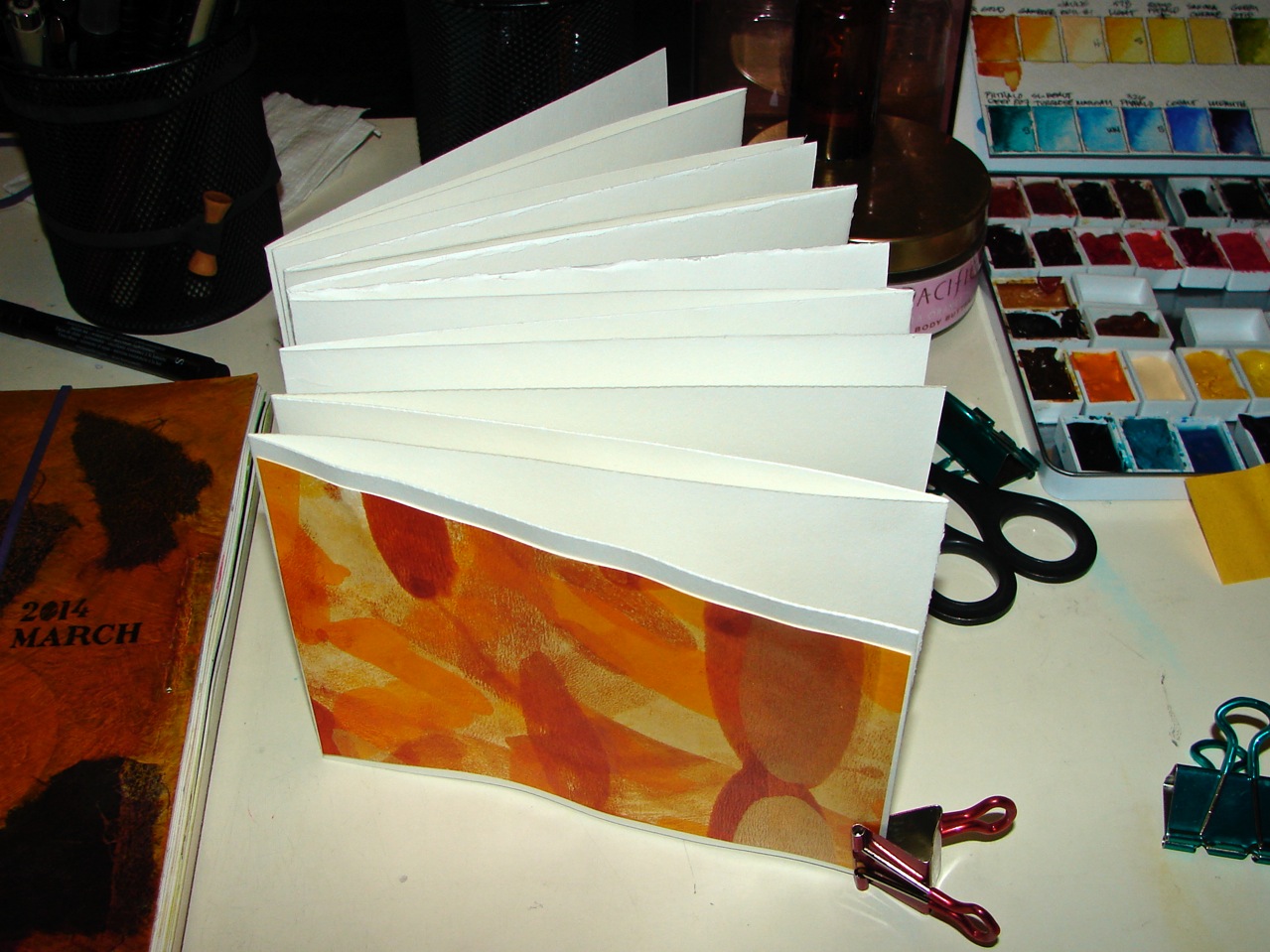
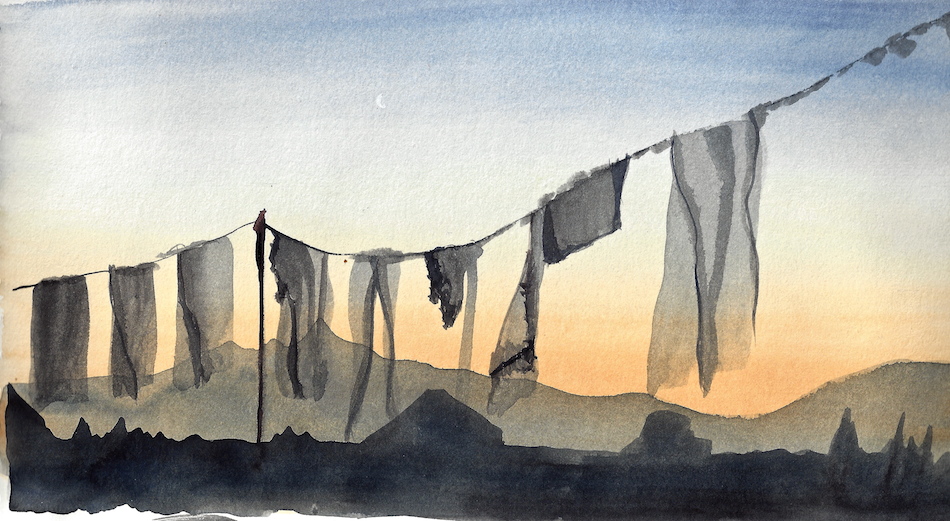
 There are other journals I use. Sometimes I like long shapes, and so have two longer format journals I use when it suites the subject: